
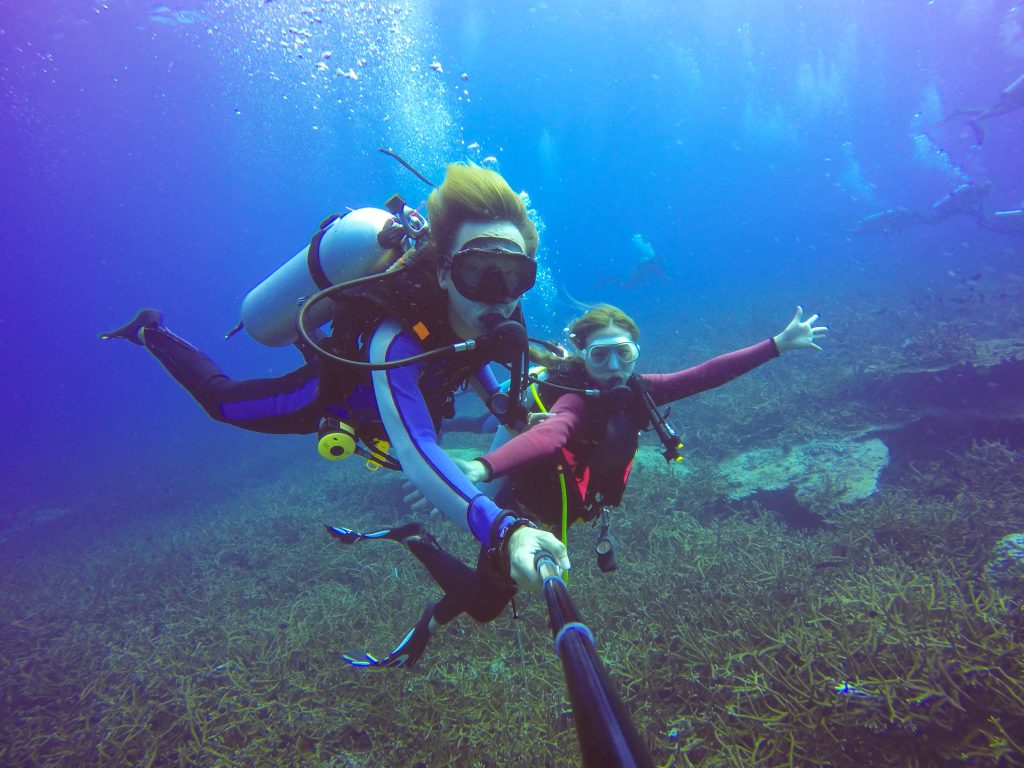
During diving excursions in the Aeolian Islands, you can discover volcanic seabeds, caves and Posidonia meadows; I will guide you to safe sites, recommending techniques and equipment for exploring these unique marine environments responsibly.
Lipari and Vulcano: Vertical Walls and Sulphurous Springs
Along the vertical walls of Lipari and Vulcano, you will find a succession of rocky canyons where you can explore walls rich in sponges, gorgonians and shoals of reef fish; visibility varies with the currents, but offers spectacular underwater views.
On the seabeds around Vulcano, you will also encounter sulphurous springs: warm bubbles, yellowish sediments and microbial colonies that transform the habitat, making guided dives and careful attention to thermal conditions essential.
The Shoals of Lipari: Pietra Menalda and Scoglio delle Formiche
Pietra Menalda features steep shoals where you can find black coral, gorgonians and moray eels sheltering in the crevices; variable currents make buoyancy control essential for observing without disturbing the environment.
Nearby, Scoglio delle Formiche is a submerged bank rich in pelagic life: keep to the recommended depth, use natural reference points and take advantage of pauses in the current to follow the shoals of fish.
Hydrothermal Phenomena and the Grotta del Cavallo on Vulcano
Hydrothermal springs on Vulcano alter the chemistry and temperature of the sea: you will notice gas emissions, fumaroles and intense colours caused by sulphurous deposits, attracting species adapted to extreme conditions.
These phenomena require respect and caution: follow your guide’s instructions, avoid touching the fumaroles and keep a generous distance to prevent burns and preserve sensitive habitats.
Notice how the Grotta del Cavallo combines warm currents with sheltered cavities: you can explore passages carved by volcanic activity, photograph bacterial colonies and sulphur deposits, and plan the dive according to safety and experience.
Panarea and Salina: Archaeology and Fumaroles
Observing the wrecks and submerged structures between the islands, you can recognise traces of ancient settlements alongside volcanic emissions, a combination that makes every dive rich in historical and scientific interest.
As you navigate the waters between lava ridges and canyons, you will notice underwater fumaroles that alter the chemistry and microhabitats; proceed with caution and use monitoring instruments to interpret the phenomena correctly.
The Lisca Bianca Wreck and Underwater Gas Emissions
Beneath the outline of the Lisca Bianca wreck, you can observe rising bubbles and changes in the sediments: studying these emissions reveals interactions between geothermal processes and the biological colonisation of metal structures.
Secca del Capo: Biodiversity and Black Coral
On the rocky plateau of Secca del Capo, you will come across black coral formations that host complex communities, offering ideal scenery for biodiversity monitoring at medium depths.
Here, currents bring nutrients that encourage sponges and gorgonians; during dives, you can document sessile and mobile species that contribute to the uniqueness of this deep ecosystem.
You can also explore non-invasive sampling methods and photo-video techniques to assess the health of the black coral without altering its growth rhythms.
Stromboli and Strombolicchio: Diving into the Abyss
Exploring the underwater ridges between Stromboli and Strombolicchio, you will encounter spectacular drops and lava canyons populated by shoals of fish and endemic macrofauna.
The Sciara del Fuoco: Descending the Active Slope
Descending along the Sciara del Fuoco, you will see a landscape of black rocks and volcanic sand plunging into dark ravines, where rising currents illuminate colonies of invertebrates.
The Vertical Walls and Clarity of Strombolicchio
Observe the vertical walls of Strombolicchio: you will notice surfaces covered with gorgonians, sponges and starfish, with visibility often exceeding twenty metres, ideal for technical photography.
As you continue the descent, you will find walls dropping beyond fifty metres, fissures teeming with life and currents that keep the water clear, ideal for technical dives and naturalistic observation.
Filicudi and Alicudi: Pristine Seabeds
Filicudi offers lava walls and caves inhabited by gorgonians and groupers; you can explore underwater canyons rich in biodiversity and encounter shoals of pelagic fish. See also What to do in Lipari (if you are a diver) | The best 7 … for practical advice on diving and local services.
Further on, the shoals around Alicudi preserve an almost untouched ecosystem; you should plan dives with local guides to respect the currents and fragile habitats, while maximising both observations and safety.
The Underwater Archaeological Museum of Capo Graziano
At the Underwater Archaeological Museum of Capo Graziano, you will find artefacts that tell the story of ancient trade routes and submerged wrecks; you can place your dives in context by studying amphorae and harbour structures discovered on the seabed.
The Wild Nature and Solitary Shoals of Alicudi
You will discover submerged cliffs, Posidonia plateaus and isolated shoals where marine life thrives far from tourist pressure; you will notice the transparency of the water and the richness of the macrofauna.
To protect these environments and your own safety, you should follow the instructions of local diving centres, avoid improper anchoring and limit movement within the most delicate caves.
Practical Guidance and Safety on Diving Excursions
Before every dive, check the weather conditions, the site plan and the crew briefing; stay within depth limits and report any physical discomfort immediately.
Always check your buddy and signalling system: agree on visual and acoustic signals, carry a surface marker buoy and constantly monitor your air supply.
Technical Equipment and Recommended Seasons
Choose suitable thermal wetsuits, serviced regulators and a functioning dive computer; bring essential spare parts and a first-aid kit for every outing.
Favour the months from May to October for visibility and calmer seas; if you plan out-of-season dives, adapt your wetsuit and plan shorter outings with surface support.
Authorised Diving Centres and Marine Protected Area Regulations
Check that diving centres are authorised, that staff are certified and that the boat complies with safety regulations; ask for copies of authorisations and operating protocols.
Respect Marine Protected Area regulations: do not touch or collect species, keep your distance from sensitive seabeds and follow permitted routes to protect habitats.
Consult the updated list of accredited centres, local ordinances and seasonal restrictions before booking, and request information on emergency and recovery plans.
Diving Excursions – The Aeolian Islands’ Finest Dive Sites
During your dives, you will discover lava walls, arches and underwater caves, ancient wrecks and Posidonia meadows; the clear waters of the Aeolian Islands offer excellent visibility and encounters with groupers, moray eels, amberjacks and gorgonians. Certified local guides lead you to iconic sites such as Stromboli, Panarea, Vulcano and Salina, tailoring route and depth to your level.
For a safe and memorable experience, choose certified diving centres, respect the “no touch” rule and wildlife protection, and plan dives according to seasonality and ability: this way, you will maximise visibility, encounters and respect for the ecosystem.